

Not every pest problem fits neatly into one category. Sometimes it is a silverfish in the bathroom, a centipede in the basement, crickets in the garage, or dozens of tiny millipedes suddenly appearing around a doorway after heavy rain.
These pests may be very different from one another, but they often show up for similar reasons. Food, moisture, shelter, weather changes, landscaping, and small openings around a home can all create opportunities for unwanted pests to move inside.
Some are little more than a nuisance. Others can point to excess moisture, another insect problem, or conditions around the property that are making the home more attractive to pests.
Heritage Pest Management provides residential pest control designed to address common pest problems inside and around Alabama homes. If you are not sure what pest you are seeing, get a free quote and let Heritage help identify the problem.
Why Do Pests Keep Getting Into Your Home?
A pest does not need a large opening to enter a house. Small gaps beneath doors, cracks around windows, utility penetrations, damaged screens, vents, and openings around the foundation can all provide a way inside.
Once pests reach the property, the conditions around the home determine whether they simply pass through or find a reason to stay. Moisture beneath a sink, leaves piled near the foundation, cardboard stored in a garage, exterior lights attracting insects, or food left accessible can all contribute.
Weather also plays an important role in Alabama. Heavy rainfall, prolonged dry periods, temperature changes, and seasonal shifts can push pests out of their normal outdoor habitats and toward homes in search of more favorable conditions.
Food Can Attract More Than Ants and Roaches
Crumbs, spills, pet food, garbage, pantry products, and organic debris can support a variety of pests. Even pests that are not directly interested in human food may be attracted by the smaller insects that those food sources support.
Keeping kitchens and food-storage areas clean is therefore useful for more than preventing ants or roaches. It reduces one of the basic resources that allows many pest populations to become established around a home.
Moisture Creates Favorable Pest Conditions
Moisture is one of the most common conditions behind household pest activity. Leaking pipes, condensation, damp crawl spaces, clogged gutters, poor drainage, wet mulch, and consistently damp areas around the foundation can support insects and other small pests.
Silverfish, millipedes, and many other pests prefer humid or moisture-rich environments. Correcting the source of excess moisture can sometimes make a bigger difference than treating the individual pests that appear afterward.
Small Gaps Can Become Pest Entry Points
Pests can enter through surprisingly small openings. Worn weatherstripping, gaps beneath exterior doors, damaged window screens, openings around pipes, cracks in siding or foundations, and unscreened vents can all provide access.
Exclusion is one of the most useful long-term pest-prevention strategies because it addresses how pests are getting inside rather than simply removing them after they arrive.
What Are Some Common Household Pests in Alabama?
Alabama’s climate supports a wide variety of insects and other arthropods. Some pests can live and reproduce indoors, while others normally live outside and become what pest professionals often call occasional invaders when they wander into a home.
The following pests are examples of the types of nuisance activity homeowners may encounter beyond the major pest categories covered elsewhere in the Heritage Pest Library.
Silverfish
Silverfish are small, wingless insects with tapered bodies and a silvery or gray appearance. They prefer humid environments and are often discovered in bathrooms, closets, basements, storage areas, kitchens, and other places where moisture is available.
They feed on materials containing starches and carbohydrates, which can include paper, cardboard, book bindings, wallpaper adhesives, and certain stored products. An occasional silverfish may not indicate a major problem, but repeated sightings can be a reason to look for excess humidity or hidden moisture.
Centipedes
Centipedes are fast-moving predators with many legs. They feed on insects and other small arthropods, which means their presence can sometimes indicate that other pests are available for them to hunt.
They are often associated with damp, protected areas such as basements, crawl spaces, bathrooms, garages, mulch, leaf litter, and areas beneath rocks or landscaping materials.
Reducing moisture and addressing other insect activity can make a property less favorable to centipedes.
Millipedes
Millipedes normally live outdoors in moist areas rich in decaying organic material. Mulch, leaves, gardens, flower beds, compost, and damp soil can provide ideal habitat around a home.
Alabama Extension notes that weather changes can cause large numbers of millipedes to migrate. Heavy rainfall or hot, dry conditions may push them out of their normal habitat and toward patios, garages, crawl spaces, basements, and living areas.
Millipedes generally do not survive for long inside a dry home. When large numbers keep appearing indoors, the better solution is usually to look at exterior moisture, breeding areas, and entry points rather than focusing only on the millipedes already inside.
Crickets
Crickets commonly live outdoors but may enter garages, basements, crawl spaces, and other parts of a home through gaps around doors and foundations.
Some homeowners notice them because of their chirping before they ever see the insect. Exterior lighting, moisture, vegetation, and small structural openings can all contribute to cricket activity around a property.
Sealing entry points and reducing favorable hiding areas near the home can help limit the number that wander indoors.
Earwigs
Earwigs are recognizable by the pair of forceps-like appendages at the end of the abdomen. Despite their appearance, they are generally considered nuisance pests rather than a serious threat to people.
They prefer damp, protected environments and may be found beneath mulch, landscaping materials, flowerpots, debris, and other objects around the exterior of a home.
When earwigs appear indoors, moisture reduction and exclusion are often more important than treating the individual insects.
PESTS DON’T SHOW UP WITHOUT A REASON.
LOOK AT WHAT’S ATTRACTING THEM.
Why Do Some Pests Suddenly Appear in Large Numbers?
A sudden wave of pests can make it seem as though an infestation developed overnight. In reality, many occasional invaders were already living outdoors around the property before something caused them to move.
Rain is a common trigger. Soil and mulch can become saturated, forcing pests such as millipedes out of the areas where they normally live. Alabama Extension notes that large millipede migrations can occur following heavy rainfall.
Dry conditions can create the opposite problem. When outdoor habitats become too hot or dry, pests may move toward shaded areas, structures, crawl spaces, garages, or other locations that offer more favorable moisture and temperature conditions.
This is why treating only the insects that have already entered may not stop the next wave. If the outdoor habitat and entry routes remain unchanged, more pests can continue moving toward the home.
What Can the Location of a Pest Tell You?
Where you find a pest can provide valuable information about why it is there.
Repeated activity around a bathroom or sink may suggest excess moisture. Pests gathering near an exterior door may point toward a gap beneath the door or worn weatherstripping. Numerous insects in the garage may be entering through an open door, cracks, stored boxes, or areas where exterior lighting attracts other insects.
Activity in basements and crawl spaces can indicate moisture or access from the soil around the structure. Pests appearing around windows may be attracted by light or entering through damaged screens and gaps around the frame.
Instead of looking at each pest sighting as an isolated event, pay attention to patterns. Where pests repeatedly appear can tell you a great deal about what needs to change.
Are General Household Pests Dangerous?
Many occasional invaders are primarily nuisance pests. A millipede wandering across the floor or a cricket in the garage is usually more annoying than dangerous.
However, not every pest should be treated the same way. Some pests can contaminate food, damage stored materials, trigger allergies, sting or bite, or indicate conditions around the home that deserve attention.
If you are seeing roaches, bed bugs, or evidence of termites, those pests have different behaviors and concerns and should be evaluated accordingly.
Likewise, most spiders found around homes are not dangerous, but Alabama does have species such as brown recluses and black widows that deserve additional caution.
When you cannot confidently identify what you found, professional identification is more useful than assuming every unfamiliar insect poses the same risk.
Why Does Moisture Matter So Much in Pest Control?
Water is one of the most important resources around a home, and pest activity often follows it.
A leaking pipe beneath a sink can create conditions for moisture-loving insects. A damp crawl space can support insects and other arthropods beneath the home. Thick mulch and poor drainage can create protected outdoor habitat directly beside the foundation.
Reducing excess moisture can therefore affect several pest problems at once. Repairing leaks, improving drainage, cleaning gutters, ventilating damp areas, and correcting standing-water problems can make a property less attractive to many pests.
This does not mean every pest problem can be solved by drying out the property, but moisture management is an important piece of an effective prevention plan.
Pay Attention to Mulch and Landscaping
Mulch is useful in landscaping, but thick layers that remain consistently damp can provide shelter for millipedes, earwigs, insects, and other small organisms.
Dense vegetation against the structure can also make it harder for air to circulate and easier for pests to approach the house unnoticed.
You do not need to remove all landscaping. The goal is to avoid creating consistently damp, undisturbed habitat directly against the foundation and to keep enough space around the structure to identify potential pest activity and entry points.
How Can You Help Keep General Pests Out of Your Home?
The most effective pest prevention usually involves several small changes rather than one quick fix.
Start by looking at the exterior of the home. Repair damaged screens, replace worn door sweeps, seal accessible gaps around windows and utility penetrations, and check weatherstripping around exterior doors.
Next, look at moisture. Repair leaks, keep gutters functioning, address damp crawl spaces when possible, and avoid allowing water to remain against the foundation.
Reduce pest habitat around the house by keeping leaves, firewood, excessive mulch, debris, and stored materials from accumulating directly against the structure. Trim shrubs and vegetation so they do not create dense, protected pathways onto the home.
Inside, regular cleaning, properly stored food, reduced clutter, and attention to damp areas can help make the home less favorable to pests that do get inside.
Should You Spray Every Pest You Find Indoors?
Not necessarily. For many occasional invaders, removing the pest with a vacuum or broom may be more practical than applying a pesticide indoors.
Alabama Extension specifically notes that millipedes do not survive well inside normal dry indoor conditions and that treating the insects already indoors does little to stop additional millipedes from migrating in from outside.
The more useful question is often, “Why are these pests entering?” Sealing the entry point, reducing exterior moisture, or correcting favorable habitat can have a more lasting effect than repeatedly treating individual pests after they appear.
When pesticide treatment is appropriate, always use products according to the label or have a trained pest professional determine the right treatment for the situation.
When Is a Pest Problem More Than an Occasional Invader?
Finding one cricket or millipede does not necessarily mean a home has a serious infestation. Repeated activity deserves more attention.
If the same pests continue appearing in large numbers, activity is spreading to multiple parts of the home, or you are finding different life stages that suggest reproduction indoors, it may be time for a closer inspection.
You should also pay attention when one pest appears alongside another. Frequent spider or centipede activity, for example, may indicate there are enough insects around the property to provide a steady food source.
If the pest turns out to be something with its own control requirements, such as ants, roaches, bed bugs, or termites, identifying it early allows the problem to be addressed more appropriately.
When Should You Call a Pest Control Professional?
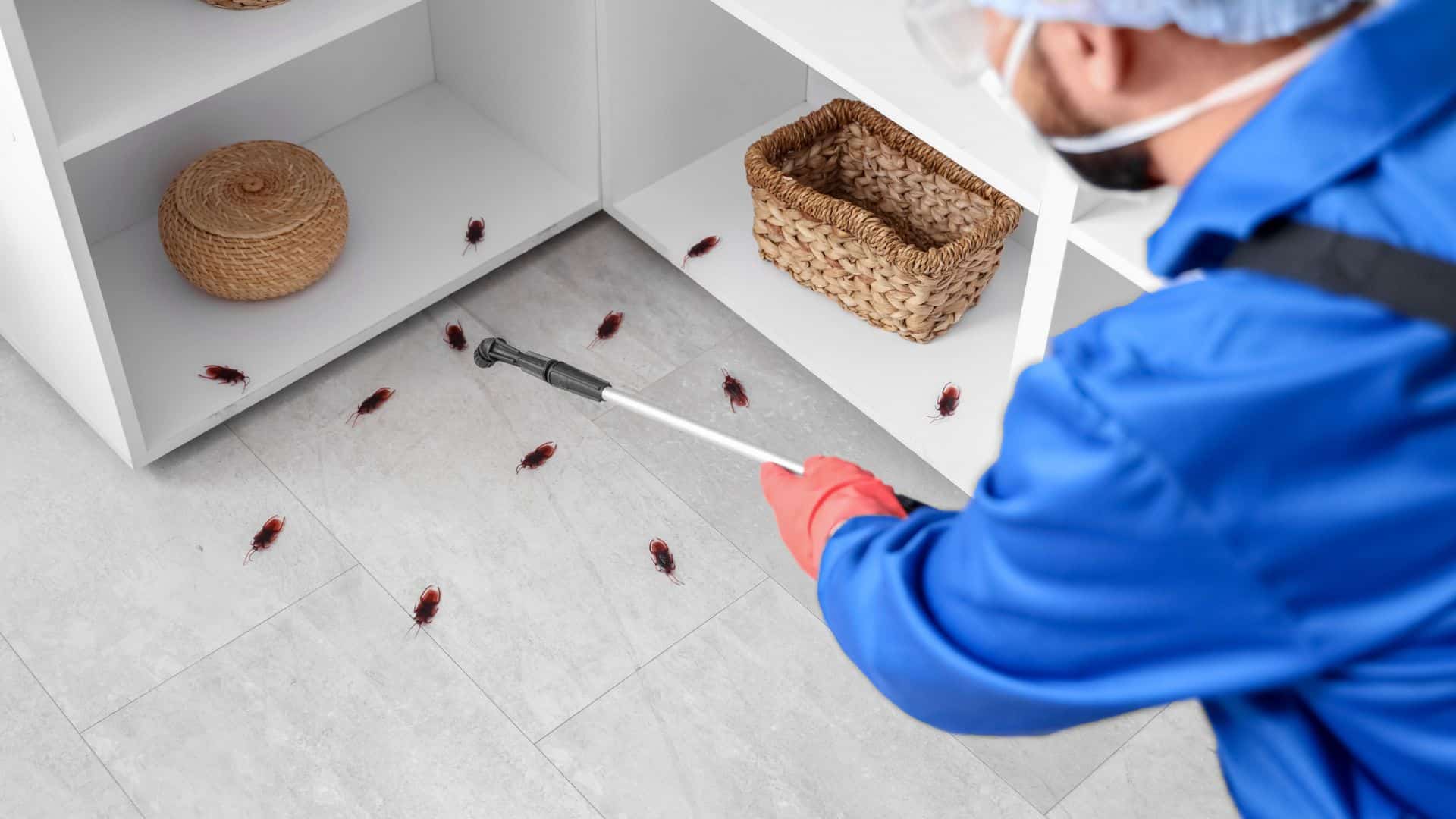
Professional pest control can be helpful when pests continue returning despite cleaning and exclusion, when large numbers suddenly invade, when you cannot identify the pest, or when activity is occurring in areas that are difficult to inspect.
A professional can look at more than the individual insect. Entry points, moisture, exterior conditions, hiding places, and other pest activity around the structure can all be considered together.
This is particularly useful when several different pests are appearing throughout the year. Treating each sighting as an unrelated event can miss the conditions that are allowing pest pressure to continue around the property.
How Heritage Pest Management Helps With General Pest Problems
Heritage Pest Management offers quarterly residential pest control with both interior and exterior treatment of the home.
Instead of waiting for every pest problem to become obvious, ongoing pest service provides regular opportunities to address pest activity and conditions around the property. If pest issues occur between scheduled service months, Heritage’s current quarterly program also includes retreatment at no additional charge.
For specific pest concerns, you can also visit the Heritage Pest Library pages for ants, roaches, spiders, bed bugs, and termites.
Not sure what pest you are dealing with? Request a free quote from Heritage Pest Management.
Frequently Asked Questions About General Household Pests
Unexpected insects around the house can be difficult to identify and even harder to understand. These answers cover some of the most common questions homeowners have about general pest activity.
Why am I suddenly getting bugs inside my house?
Pests can move indoors when weather changes, outdoor habitats become too wet or dry, or they discover food, moisture, shelter, and accessible entry points around the home. A sudden increase does not always mean the pests are reproducing indoors.
What attracts household pests?
Food, water, shelter, warmth, and accessible entry points are some of the most common attractants. Crumbs, pet food, leaking pipes, damp crawl spaces, clutter, mulch, vegetation, and gaps around doors and windows can all contribute to pest activity.
Why are bugs coming inside after heavy rain?
Heavy rain can flood or saturate outdoor habitats and force pests to search for drier areas. Millipedes are a good example. Alabama Extension notes that heavy rainfall can trigger large migrations from lawns, mulch, gardens, and other moist outdoor habitats toward homes and buildings.
Does seeing bugs mean my house is dirty?
No. Clean homes can still experience pest activity because insects can enter through structural openings or respond to weather and outdoor conditions. Good sanitation helps remove food and hiding places, but it cannot prevent every pest from approaching a property.
Why do I keep finding silverfish in my bathroom?
Silverfish prefer humid environments, which makes bathrooms, basements, kitchens, closets, and other moisture-prone areas favorable. Repeated activity can be a reason to check the area for excess humidity, leaks, or other sources of moisture.
Why are there millipedes all over my house after rain?
Millipedes normally live outdoors in damp soil, mulch, leaf litter, and decaying organic material. Heavy rain can make those areas unsuitable and cause large numbers to migrate. They may then enter garages, basements, crawl spaces, and living areas while searching for better conditions.
Are centipedes a sign that I have other pests?
They can be. Centipedes are predators that feed on insects and other small arthropods. Frequent centipede activity may indicate that the property provides enough prey and moisture to support them, although an occasional centipede does not automatically mean there is a serious infestation.
Can I prevent bugs by sealing cracks around my home?
Sealing entry points can significantly reduce pest access, although it is most effective when combined with moisture control, sanitation, landscaping maintenance, and reduction of pest hiding areas. Check doors, windows, screens, vents, foundations, pipes, and utility openings for accessible gaps.
Should I spray every bug I find inside?
Not necessarily. Many occasional invaders can simply be vacuumed or removed. If pests continue entering, addressing the outdoor habitat and entry route may be more effective than repeatedly treating insects after they have already made it inside.
When should I call pest control for general household pests?
Consider professional pest control when pests repeatedly return, large numbers are entering the home, activity occurs throughout several areas, you cannot identify what you are seeing, or basic sanitation, moisture correction, and exclusion have not solved the problem.
General Pest Prevention Checklist for Alabama Homeowners
Good pest prevention focuses on making it harder for pests to enter and giving them fewer reasons to stay:
- Seal accessible cracks and gaps around the exterior of the home.
- Install or replace worn weatherstripping and door sweeps.
- Repair torn window and door screens.
- Seal openings around plumbing, utility lines, vents, and other penetrations.
- Repair leaks and reduce unnecessary indoor moisture.
- Keep gutters and drainage systems functioning properly.
- Reduce excessive mulch, leaves, wood, and debris near the foundation.
- Trim shrubs and vegetation away from the structure.
- Store food in sealed containers and clean spills promptly.
- Keep household trash covered and remove it regularly.
- Reduce cardboard boxes and unnecessary clutter in storage areas.
- Check garages, crawl spaces, basements, and other quiet areas for recurring activity.
- Pay attention to where pests repeatedly enter or collect.
- Have persistent or unidentified pest problems professionally evaluated.
If the same pests continue appearing after these conditions have been addressed, there may be an entry point, moisture source, outdoor habitat, or hidden pest population that deserves a closer look.
Keep Unwanted Pests From Taking Over Your Home
You do not need to identify every insect that crosses your floor before asking for help.
Heritage Pest Management provides professional residential pest control with interior and exterior treatment designed to provide ongoing protection from common household pests.
If bugs keep appearing around your home or you are not sure what you are dealing with, Heritage can help identify the problem and determine an appropriate next step.