

Spiders in Alabama: Why They Come Inside and How to Keep Them Out
Finding a spider in the corner of a room is common. Finding spiders throughout the house, webs returning as quickly as you remove them, or a spider you cannot identify can feel very different.
Spiders are common throughout Alabama, and most are not dangerous to people. In fact, spiders are predators that feed on insects and other small pests. That means spider activity around a home often has as much to do with available food and hiding places as it does with the spiders themselves.
Some spiders wander indoors accidentally. Others find quiet areas where they can remain for longer periods. Understanding where spiders are coming from, what is attracting them, and whether the species poses a concern can help determine the right response.
Seeing more spiders than you are comfortable with? Heritage Pest Management can help evaluate pest activity inside and around your home. Get a Free Quote.
Why Are Spiders Coming Into Your Home?
Spiders do not usually enter a home because they are interested in people. They are looking for the same basic things that make many other pests comfortable: food, shelter, and protected places to live.
For spiders, food means other insects. A property with plenty of flies, mosquitoes, moths, roaches, ants, or other small pests can provide a steady food supply.
Homes also offer plenty of quiet spaces. Garages, closets, attics, crawl spaces, basements, storage rooms, eaves, and areas behind furniture may remain undisturbed for long periods, giving spiders places to build webs or hide.
Other Insects Can Attract Spiders
Spiders are predators, so insect activity is one of the biggest reasons they remain around a property. Exterior lights can attract flying insects at night, while moisture, food, and landscaping can support other pests close to the house.
Where there is a dependable source of prey, spiders may follow. That is why controlling spider activity can sometimes require looking beyond the spider itself and addressing the other pests supporting it.
Quiet Areas Give Spiders Places to Hide
Many spiders prefer areas that are dark, protected, or rarely disturbed. Storage boxes, stacked materials, closets, garages, sheds, crawl spaces, and attic areas can all provide favorable hiding places.
Reducing clutter does more than make these areas easier to clean. It removes some of the sheltered spaces where spiders and the insects they feed on can remain unnoticed.
Small Openings Provide Easy Access
Spiders can enter through gaps beneath doors, damaged screens, cracks around windows, utility openings, vents, and other small spaces around the structure.
They may also be carried indoors in boxes, firewood, outdoor equipment, furniture, and stored belongings. Sealing obvious openings and inspecting items before bringing them inside can help reduce these accidental introductions.
What Types of Spiders Are Found Around Alabama Homes?
Alabama is home to many spider species, and most are beneficial predators that would rather avoid people. A spider in the yard or garden is often simply doing what spiders naturally do: feeding on insects.
Homeowners are usually more concerned when spiders begin appearing repeatedly indoors or when the spider may be a species such as a brown recluse or black widow.
Correct identification matters. Many harmless brown or dark-colored spiders are mistaken for medically significant species based on color alone.
Common House and Wandering Spiders
Many of the spiders found indoors are harmless species that either build webs in quiet corners or wander through the house while searching for prey.
You may notice webs around windows, ceilings, garages, basements, porches, or exterior lights where insects are active. Other spiders may cross a floor or wall without maintaining a visible web.
An occasional spider does not necessarily indicate an infestation. Repeated activity, numerous webs, or increasing numbers can suggest that conditions around the property are supporting both spiders and their prey.
Brown Recluse Spiders
The brown recluse is one of the Alabama spiders homeowners should know how to approach cautiously. Alabama Extension reports that brown recluses have been collected throughout the state and are more commonly found in the northern half of Alabama.
Brown recluses prefer dry, dark, undisturbed areas. Around homes, they may be found in storage spaces, closets, boxes, basements, crawl spaces, beneath furniture, behind stored items, or inside outbuildings.
They are often called “fiddle-back” or “violin” spiders because of a darker marking on the upper portion of the body. However, that marking alone is not a reliable way for an untrained person to identify one. Several harmless spiders can have markings that look similar.
If you repeatedly find spiders you suspect are brown recluses, professional identification is a better option than trying to determine the species from color or markings alone.
Black Widow Spiders
Black widows are another spider found in Alabama that deserves caution. Adult females are typically glossy black and are known for the red hourglass-shaped marking on the underside of the abdomen, although markings can vary.
Unlike brown recluses, black widows are often associated with protected areas around the exterior of structures. Alabama Extension notes that they may be encountered around garages, sheds, water meter boxes, exterior faucets, old equipment, stacked building materials, firewood, debris, and other quiet spaces.
Black widows are not spiders homeowners should handle. When working around dark or undisturbed outdoor areas, gloves and a flashlight can help reduce the chance of accidentally reaching into an occupied hiding place.
Are Spiders in the House a Sign of Another Pest Problem?
Sometimes. Spiders feed on other insects and arthropods, so frequent spider activity can be a clue that there is enough prey around the property to support them.
That does not mean every spider sighting signals a serious pest infestation. A spider may simply wander through an open doorway or window. But if webs continually return, spiders are appearing in several rooms, or activity is concentrated around areas with other insects, it is worth looking at the bigger picture.
Exterior lighting, moisture, garbage areas, landscaping, flying insects, ants, cockroaches, and other pests can all contribute to a food supply that keeps spiders around.
SEE MORE SPIDERS?
LOOK AT WHAT THEY’RE FEEDING ON.
Where Do Spiders Usually Hide Around a Home?
The best hiding place depends on the spider. Web-building species need areas where a web can remain relatively undisturbed, while wandering spiders may hide during the day and move around at other times.
Inside, pay attention to closets, storage rooms, basements, attics, crawl spaces, garages, areas beneath furniture, cardboard boxes, utility spaces, and corners that are rarely cleaned or disturbed.
Outside, spiders may be found around eaves, porch ceilings, exterior lights, landscaping, woodpiles, sheds, garages, water meter boxes, outdoor equipment, and stored building materials.
Why Are There So Many Spider Webs Around Windows and Lights?
Windows and exterior lights often attract flying insects, especially after dark. For a web-building spider, that makes these locations good hunting areas.
Removing webs can improve appearance, but if insects continue gathering in the same location, spiders may simply rebuild. Addressing the insect activity and reducing unnecessary nighttime lighting near doors and windows can make the area less attractive over time.
Why Are Spiders Showing Up in the Garage?
Garages provide many things spiders prefer: quiet corners, storage, cardboard boxes, access from outdoors, and insects drawn to lights or open garage doors.
Items that sit untouched for months can create particularly good hiding areas. Periodic cleaning, reducing clutter, sealing accessible gaps, and moving stored materials away from walls can make the space easier to monitor.
Why Do Spiders Seem More Noticeable at Certain Times of Year?
Spider activity can become more noticeable as insect populations, weather, and spider life cycles change through the year. In warmer weather, there may simply be more insect prey available around homes and landscaping.
At other times, spiders may wander more frequently while searching for mates, prey, or protected locations. Changes in temperature and moisture can also influence where both spiders and the insects they eat are active.
For homeowners, the important point is that a seasonal increase in sightings does not necessarily mean spiders suddenly appeared from nowhere. The conditions that support them may simply have become more favorable or their activity may have become easier to notice.
How Can You Help Keep Spiders Out of Your Home?
Spider prevention works best when you reduce both hiding places and the insects spiders depend on for food. Simply removing visible webs can help with appearance, but it does not change the conditions that attracted the spiders.
Inside the home, vacuum webs and egg sacs when you find them, reduce unnecessary clutter, and avoid allowing cardboard and stored items to remain undisturbed indefinitely. Closets, garages, basements, attics, and storage spaces deserve particular attention.
On the exterior, repair damaged screens and weatherstripping, seal accessible gaps around windows, doors, vents, pipes, and utility openings, and keep vegetation from pressing directly against the structure.
It is also worth looking at insect activity. Managing other household pests can reduce the food available to spiders and make the property less attractive over time.
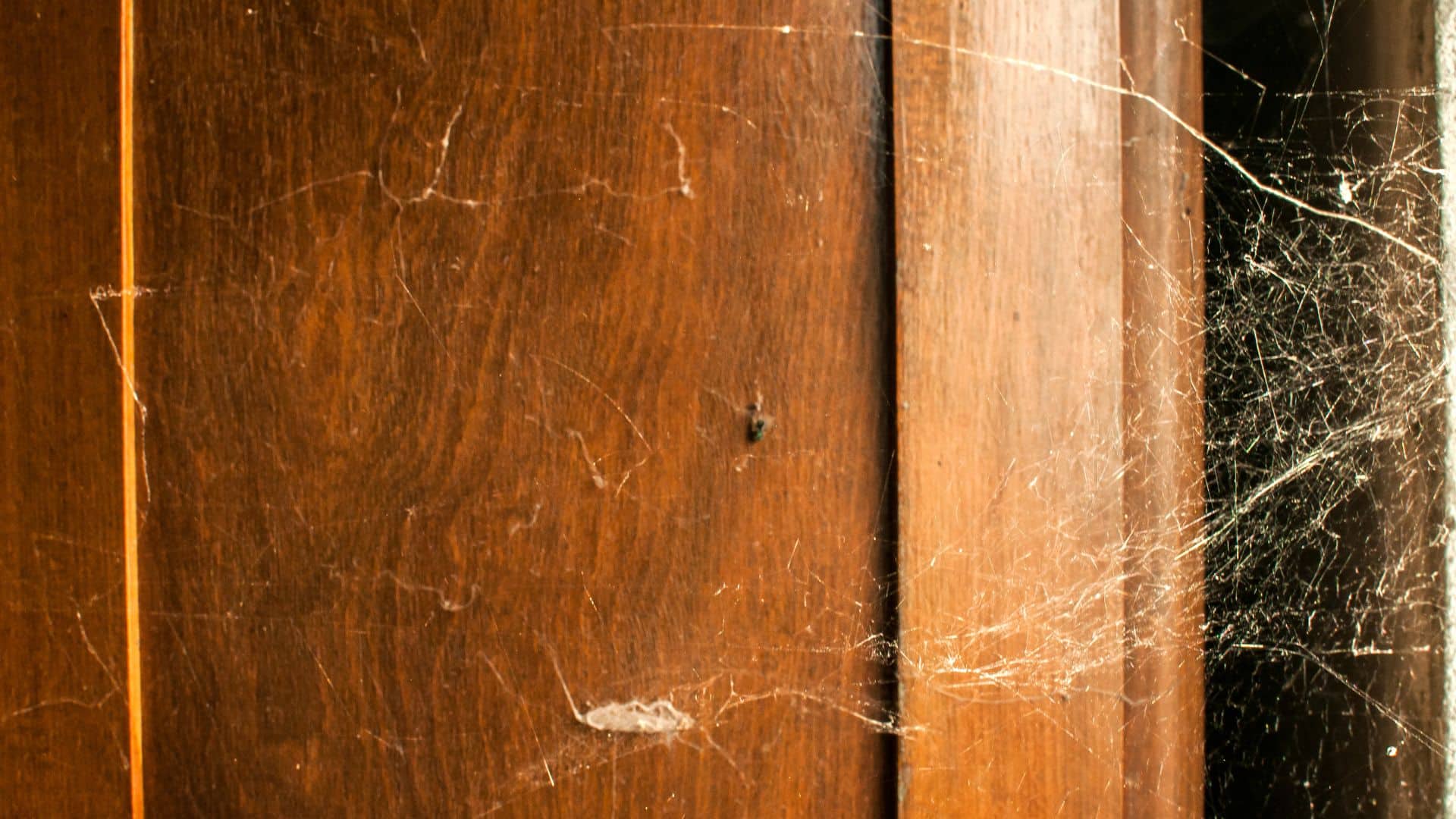
Should You Remove Spider Webs?
Yes, particularly when webs are being built around doors, windows, porches, garages, or interior living spaces. Regular web removal can remove spiders, egg sacs, and established hunting locations.
If the same webs return repeatedly, however, look for what is drawing spiders to that location. A porch light surrounded by flying insects or an undisturbed garage corner full of insect activity may continue attracting spiders until those conditions change.
How Should You Handle Stored Clothing and Boxes?
Stored items deserve extra caution in areas where brown recluse or black widow spiders may occur. Avoid reaching blindly into boxes or dark storage spaces where you cannot see what is inside.
Shake out gloves, shoes, jackets, outdoor gear, and clothing that has been stored for long periods before using it. When possible, plastic storage containers with secure lids can provide fewer hiding opportunities than open or deteriorating cardboard boxes.
Should You Spray Every Spider You Find?
Treating one visible spider may remove that spider, but it does not necessarily address why spiders are present around the property.
Alabama Extension emphasizes habitat reduction as an important part of managing brown recluse and black widow spiders. Reducing clutter, disturbing hiding places, removing unnecessary stored materials, and addressing insect prey can be more meaningful than relying only on a surface treatment.
When pesticide treatment is appropriate, it should be targeted and used according to the product label. If potentially harmful spiders are appearing repeatedly or the activity is occurring in difficult-to-access areas, professional pest management may be the better approach.
What Should You Do if You Think You Found a Brown Recluse or Black Widow?
Do not handle a spider you believe may be a brown recluse or black widow with your bare hands. Keep children and pets away from the area and avoid reaching into the spider’s hiding location.
If identification is uncertain, a clear photograph or safely contained specimen can sometimes help a pest professional determine what species is present. Avoid putting yourself at risk simply to capture a spider.
If you believe you have been bitten by a medically significant spider or develop concerning symptoms after a suspected bite, contact an appropriate healthcare professional for medical guidance.
When Should You Call a Pest Control Professional for Spiders?
An occasional harmless spider can often be removed without indicating a larger problem. Repeated or widespread activity is different.
Professional help may make sense when webs continually return throughout the property, spiders are appearing in multiple rooms, you suspect brown recluse or black widow activity, or there are signs of another insect problem supporting the spider population.
A broader pest inspection can help identify entry points, hiding areas, insect prey, and exterior conditions that may be contributing to recurring spider activity.
How Heritage Pest Management Helps With Spider Activity
Spiders are among the common household pests that can be addressed through Heritage Pest Management’s ongoing residential pest control.
Heritage offers quarterly residential pest control that includes treatment of both the interior and exterior of the home. If pest issues occur between scheduled service months, Heritage’s current quarterly program also includes retreatment at no additional charge.
Because spider activity can be connected to other insects around the property, an ongoing pest-control approach can help address more than the spider you happen to see.
If you are noticing several types of pests, explore the Heritage Pest Library to learn more about ants, roaches, and general household pests.
Seeing recurring spider activity? Request a free quote from Heritage Pest Management.
Frequently Asked Questions About Spiders
Most spiders found around homes are not a threat, but repeated sightings or an unfamiliar species can still raise questions. Here are answers to some of the concerns Alabama homeowners commonly have.
Why am I suddenly seeing spiders in my house?
Spider activity may increase when there are more insects available for food, when weather conditions change, or when spiders find accessible entry points and protected hiding areas. Seasonal changes can also make wandering spiders more noticeable.
Does seeing spiders mean I have other bugs in my house?
Not always, but spiders feed on insects and other small pests. Frequent spider activity can be a sign that the property is providing enough prey to support them. If spiders keep returning, it can be useful to look for other pest activity as well.
Are brown recluse spiders found in Alabama?
Yes. Brown recluse spiders have been collected throughout Alabama, and Alabama Extension reports that they are more commonly found in the northern half of the state. They prefer dry, dark, undisturbed areas such as storage spaces, boxes, closets, crawl spaces, and areas beneath furniture.
Are black widow spiders common in Alabama?
Black widow spiders are found in Alabama. They are often associated with quiet, protected areas such as garages, sheds, water meter boxes, exterior equipment, debris, woodpiles, and stored materials.
How can I tell if a spider is a brown recluse?
Brown recluses are tan to brown and may have a darker violin-shaped marking on the upper body, but that marking alone is not reliable because other spiders can look similar. The eye arrangement is a more dependable identification characteristic, which is why professional identification is recommended when you are unsure.
Why are spider webs always around my porch lights?
Exterior lights attract moths, flies, and other insects. Those insects create an easy food source for web-building spiders, making windows, doors, porch ceilings, and light fixtures attractive hunting locations.
Will removing spider webs keep spiders away?
Web removal is useful because it removes established webs and may also remove spiders or egg sacs. However, spiders can return if insects, hiding places, and favorable conditions remain in the same area.
Can a clean house still have spiders?
Yes. Spiders can enter through doors, windows, vents, cracks, or items brought indoors. A clean house can still have insects for spiders to feed on or quiet areas where spiders can hide.
When should I call pest control for spiders?
Consider professional pest control when spiders or webs repeatedly return, activity is occurring throughout the house, you suspect brown recluse or black widow spiders, or another pest problem may be providing a steady food source for spiders.
Spider Prevention Checklist for Alabama Homeowners
A few practical changes can reduce hiding places, entry points, and the insects that make a property attractive to spiders:
- Remove indoor and exterior spider webs regularly.
- Reduce clutter in garages, closets, attics, basements, and storage areas.
- Use sealed storage containers when practical instead of open cardboard boxes.
- Shake out stored shoes, gloves, clothing, and outdoor equipment before use.
- Repair damaged window and door screens.
- Seal accessible gaps around windows, doors, vents, pipes, and utility openings.
- Trim vegetation that touches or hangs directly against the house.
- Keep firewood, building materials, and unnecessary debris away from the structure when possible.
- Reduce insect activity around exterior lights, doors, and windows.
- Address moisture and other conditions that may attract insect prey.
- Avoid reaching blindly into boxes, woodpiles, or dark storage spaces.
- Seek professional identification if you suspect a brown recluse or black widow.
If spiders continue appearing after entry points, clutter, webs, and insect activity have been addressed, there may be additional conditions around the property that require a closer look.
Seeing Too Many Spiders Around Your Home?
An occasional spider is part of life in Alabama. Recurring spider activity throughout your home does not have to be.
Heritage Pest Management provides professional residential pest control with interior and exterior service designed to provide ongoing protection against common household pests.
If spiders keep appearing, Heritage can help look beyond the visible webs and evaluate the pest activity and conditions around your property.