

Ants in Alabama: Why They Come Inside and How to Keep Them Out
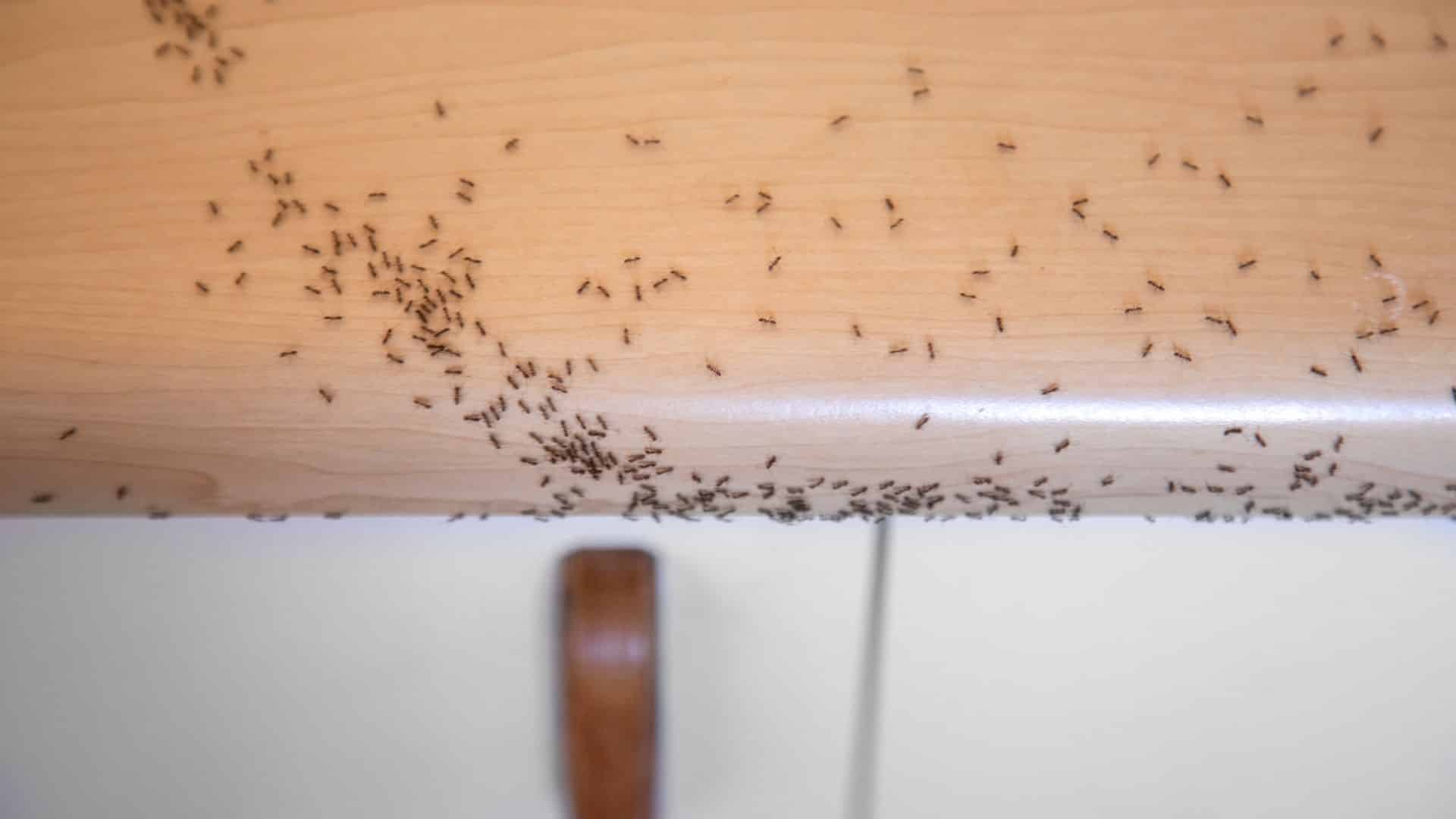
Finding a few ants in the house can seem harmless at first. Then a few days later, there is a steady trail across the kitchen counter, around the sink, or along a baseboard. When that happens, the ants you see are often only a small part of a larger colony nearby.
Ants are among the most common pests homeowners deal with in Alabama. They can become active around homes while searching for food, water, shelter, or a suitable place to establish a colony. Some stay mostly outdoors, while others may repeatedly find their way inside through gaps so small they are easy to overlook.
The best way to deal with an ant problem depends on what kind of ants are present, where they are coming from, and what is attracting them. Understanding those clues can help you decide whether a few preventive changes are enough or whether the activity calls for professional pest control.
Seeing ants around your home? Heritage Pest Management can help identify the source of the activity and recommend the right approach for your property. Get a Free Quote.
Why Are Ants Coming Into Your Home?
Ants do not usually wander indoors without a reason. Worker ants leave the colony to search for resources, and a home can provide several of the things they need in one place.
A small amount of food left beneath an appliance, pet food near a wall, moisture around a plumbing line, or a gap around a door can be enough to bring ants inside. Once a worker finds a reliable source of food or water, other ants may begin following the same route.
That is why an ant problem sometimes seems to appear overnight. What looks like a sudden infestation may actually be the result of ants finding a dependable route between the colony and something inside your home.
Food Can Keep Ants Coming Back
Ants are persistent foragers. Crumbs, grease, sugary spills, pet food, garbage, and unsealed pantry products can all provide an easy meal. Even when a kitchen looks clean, small amounts of food behind appliances, beneath cabinets, or around trash containers may continue attracting ants.
Cleaning the visible trail can help, but if the food source remains available, other workers may eventually return.
Moisture Can Be Just as Attractive as Food
Not every ant problem begins in the pantry. Ant activity is also common around sinks, bathrooms, windows, plumbing, crawl spaces, and other areas where moisture is available.
A slow leak or consistently damp area may be enough to support ant activity. Moisture becomes especially important when carpenter ants are involved because these ants are often associated with damp or moisture-damaged wood.
Small Openings Give Ants an Easy Way Inside
Ants can use very small cracks and gaps around a structure. Openings around doors, windows, siding, foundations, utility lines, plumbing penetrations, and other exterior areas can all become travel routes.
Vegetation touching the house can create another pathway. Tree branches, shrubs, mulch, and other landscaping close to the structure may give ants protected places to forage or easier access to the exterior of the home.
What Types of Ants Are Common Around Alabama Homes?
Alabama is home to many different ant species, and most homeowners do not need to identify every species they encounter. What matters more is recognizing that different ants can behave differently and may require different approaches to control.
If ants continue returning despite cleaning and basic prevention, identifying the type of ant and locating the source of the activity becomes much more important.
Small House-Invading Ants
The ants homeowners most often notice indoors are usually small workers traveling between a food or moisture source and a colony. They may appear around countertops, sinks, cabinets, windows, baseboards, bathrooms, or pet feeding areas.
The colony itself does not necessarily have to be inside the house. Ants can nest outdoors and repeatedly enter through the same small opening while foraging.
This is one reason simply killing the ants on the counter may provide only temporary relief. The visible workers can disappear while the colony remains active somewhere else.
Carpenter Ants
Carpenter ants tend to attract more attention because they are larger than many common household ants. They may be seen traveling indoors or around exterior areas of a home, particularly where moisture or damaged wood is present.
Carpenter ants do not eat wood the way termites do. Instead, they remove material from wood to create smooth galleries where the colony can nest. Over time, significant nesting activity can affect wood that is already vulnerable or moisture damaged.
Repeatedly finding large ants indoors, particularly near damp areas, windows, rooflines, crawl spaces, or plumbing, is worth investigating rather than assuming they are ordinary household ants.
Fire Ants
Fire ants are a familiar outdoor pest throughout Alabama. Their colonies are commonly associated with lawns, landscaped areas, open ground, and other areas around homes.
Unlike many nuisance ants, fire ants are known for aggressively defending their colonies. Disturbing an active mound can quickly bring large numbers of workers to the surface, where they may sting people or animals nearby.
Fire ant activity can also change with weather conditions. Colonies may become more noticeable after rainfall or during warmer periods when ants are actively foraging and reproducing.
Why Do Ants Keep Coming Back After You Kill Them?
This is one of the most frustrating parts of an ant problem. You wipe away the trail, clean the counter, and assume the problem is over. A day or two later, ants appear again.
The explanation is usually fairly simple: the ants you removed were workers, not the entire colony.
Worker ants travel away from the nest to locate food and water. Removing the ants that happen to be visible at that moment does not necessarily address the colony, the entry point, or the conditions that attracted them.
Some ant species can also have complicated colony structures or multiple nesting locations, which makes correct identification more important when activity becomes persistent.
DON’T JUST TREAT THE TRAIL.
FIND THE SOURCE.
What Can Ant Activity Tell You?
Before immediately wiping away the next ant trail you find, take a moment to notice where the ants are traveling. Their movement can provide useful clues.
Ants consistently appearing near a kitchen sink may be attracted to moisture or food. Activity around a window or exterior door may point toward an entry location. A trail disappearing beneath a baseboard or into a wall opening may suggest the ants are traveling through a concealed area.
Outside, pay attention to activity around foundation edges, landscaping, mulch, patios, sidewalks, utility penetrations, and vegetation touching the house.
One trail does not always lead directly to the colony, but observing where ants appear and where they disappear can make professional inspection and identification much more effective.
How Can You Help Keep Ants Out of Your Home?
There is no single household trick that prevents every ant problem, but making the property less attractive can reduce many of the conditions that encourage ants to forage indoors.
Start inside with food and moisture. Clean spills and crumbs promptly, keep pantry products sealed, keep trash containers covered, and avoid leaving pet food sitting out longer than necessary. Check beneath sinks and around appliances for leaks or persistent moisture that may otherwise go unnoticed.
Then look at the exterior of the house. Gaps around windows, doors, pipes, utility lines, and other openings can provide access. Vegetation should not create an easy bridge between trees or shrubs and the structure, and excessive debris or moisture around the foundation should be corrected when possible.
These steps are useful because they address what ants are looking for in the first place: food, water, shelter, and access.
Are They Ants or Termites?
One ant-related situation deserves extra attention: finding winged insects inside or around the home.
Winged ants and termite swarmers can look similar from a distance, especially when several suddenly appear near a window, door, or light source. However, they are very different insects and can indicate very different problems.
How Can You Tell a Winged Ant From a Termite?
Winged ants typically have a visibly narrow or pinched waist and bent antennae. Their front wings are usually larger than their rear wings.
Termite swarmers have a broader, more uniform body shape, straighter antennae, and two pairs of wings that are approximately equal in length.
Those characteristics can help with identification, but homeowners do not need to take chances when they are unsure. Because termites can damage structural wood, finding unidentified swarmers around a home is a good reason to have them professionally identified.
Learn more about termites and the warning signs to watch for.
When Should You Call a Pest Control Professional for Ants?
Seeing an occasional ant near an exterior door does not automatically mean there is a serious infestation. Persistent activity is different.
If ant trails repeatedly return after cleaning, ants begin showing up in several areas of the house, large carpenter ants are appearing around damp wood, or fire ant colonies are making parts of the yard difficult to use, professional residential pest control may be appropriate.
Professional pest management is especially useful when the source of the problem is unclear. Identifying the ant, determining where it is traveling, and evaluating conditions around the property can provide a more effective approach than repeatedly treating whatever ants happen to be visible.
How Heritage Pest Management Helps With Ant Problems
Ants are among the common household pests that can be addressed as part of Heritage Pest Management’s ongoing residential pest control service.
Heritage Pest Management offers quarterly residential pest control that includes treatment of both the interior and exterior of the home. If pest issues occur between scheduled service months, the quarterly program also includes retreatment at no additional charge.
Ongoing service can be particularly helpful in Alabama, where changing temperatures, rainfall, moisture, and seasonal pest activity can continually put pressure on homes throughout the year.
Learn more about Heritage Pest Management’s residential pest control services or request a free quote.
Frequently Asked Questions About Ants
Homeowners often have similar questions when ants suddenly appear inside. These answers can help explain what may be happening and when the problem needs a closer look.
Why do I suddenly have ants in my house?
Ants may suddenly become noticeable after workers discover a reliable source of food or moisture inside. Weather changes can also affect ant activity and cause colonies to search for new resources or protected areas.
Why are ants mostly showing up in my kitchen?
Kitchens combine several things ants need. Crumbs, grease, sweets, pantry products, garbage, pet food, and water around the sink can all attract foraging ants. Small openings around cabinets, plumbing, and appliances may also provide travel routes.
Why do I have ants in my bathroom when there is no food?
The attraction may be moisture rather than food. Sinks, plumbing, condensation, leaks, and damp areas can provide water. Repeated activity in the same area may be a sign that ants have found a dependable moisture source.
Does seeing ants mean there is a nest inside my house?
Not necessarily. Many ants nest outdoors and enter homes only to forage. However, some ants can establish nests in protected areas inside a structure, including wall voids and other concealed spaces.
Will killing the ants I see get rid of the colony?
Usually not by itself. The ants you see traveling across counters or floors are typically workers. The colony and queen may be located somewhere else, which is why visible activity can return.
Are carpenter ants the same as termites?
No. Carpenter ants and termites are different insects. Carpenter ants excavate wood to create nesting galleries, while termites consume cellulose and can feed directly on structural wood.
Are fire ants common in Alabama?
Yes. Fire ants are well established in Alabama and commonly form colonies in lawns, landscaped areas, and other outdoor spaces. They are known for aggressively defending their colonies and delivering painful stings.
Why shouldn’t I just spray every ant trail I find?
The visible trail may represent only a small part of the colony. Different ant species behave differently, and treating only the ants you can see may not address the source of the problem.
Ant Prevention Checklist for Alabama Homeowners
If you want to make your home less inviting to ants, start with these practical steps:
- Clean crumbs, grease, and food spills promptly.
- Store pantry foods in properly sealed containers.
- Keep trash containers covered and clean.
- Avoid leaving pet food out for extended periods.
- Repair accessible plumbing leaks and other moisture problems.
- Check around sinks, windows, crawl spaces, and appliances for damp areas.
- Seal obvious gaps around doors, windows, plumbing, and utility openings.
- Trim vegetation that touches or overhangs the home.
- Keep excessive mulch, debris, and stored materials away from the foundation when possible.
- Pay attention to where recurring ant trails begin and end.
If ants continue returning after these conditions have been addressed, there may be a colony or entry point that requires closer inspection.
Tired of Ants Coming Back?
You should not have to keep wiping away the same ant trail week after week.
Heritage Pest Management provides professional residential pest control designed to address common pest problems inside and around Alabama homes. With quarterly interior and exterior service and retreatment available between scheduled service months when needed, Heritage can provide ongoing protection rather than waiting for the next pest problem to appear.
If ants have become a recurring problem around your home, Heritage Pest Management can help determine what is causing the activity and recommend the right next step.